Guide
Cold snaps in Idaho Falls and your furnace
The numbers below are 30-year averages for 1991 to 2020 at Idaho Falls Fanning Field, the airport weather station.
You talk to an independent HVAC contractor. Idaho Falls HVAC Repair does no heating or cooling work itself.
A normal year at the airport
Source: NOAA NCEI U.S. Climate Normals, station USW00024145.
Heating outweighs cooling many times over
Heating degree days add up how far each day's average falls below 65°F. Idaho Falls normally logs about 7,800 a year. Cooling degree days, the summer counterpart, come to about 250. In plain terms, the furnace does the bulk of the work and the air conditioner is a seasonal helper.
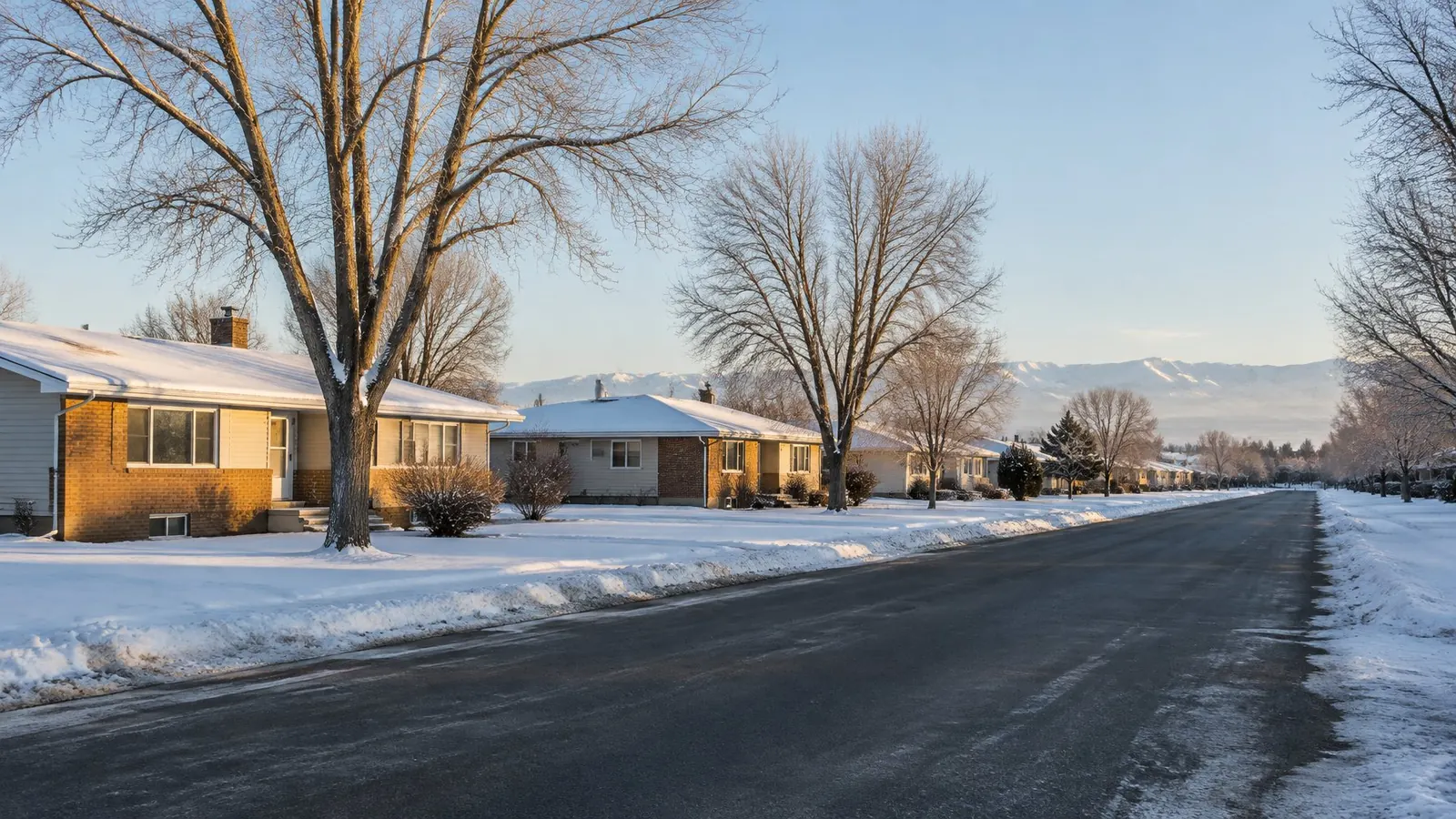
Below-zero nights cluster in December, January and February, with January averaging the most. Highs that stay at or below freezing are common too: about 56 days a year on average.
Before a cold front arrives
- Put in a fresh filter.
- Clear snow from the furnace intake and exhaust pipes, and from the gas meter.
- Know where the furnace power switch and the gas shutoff are.
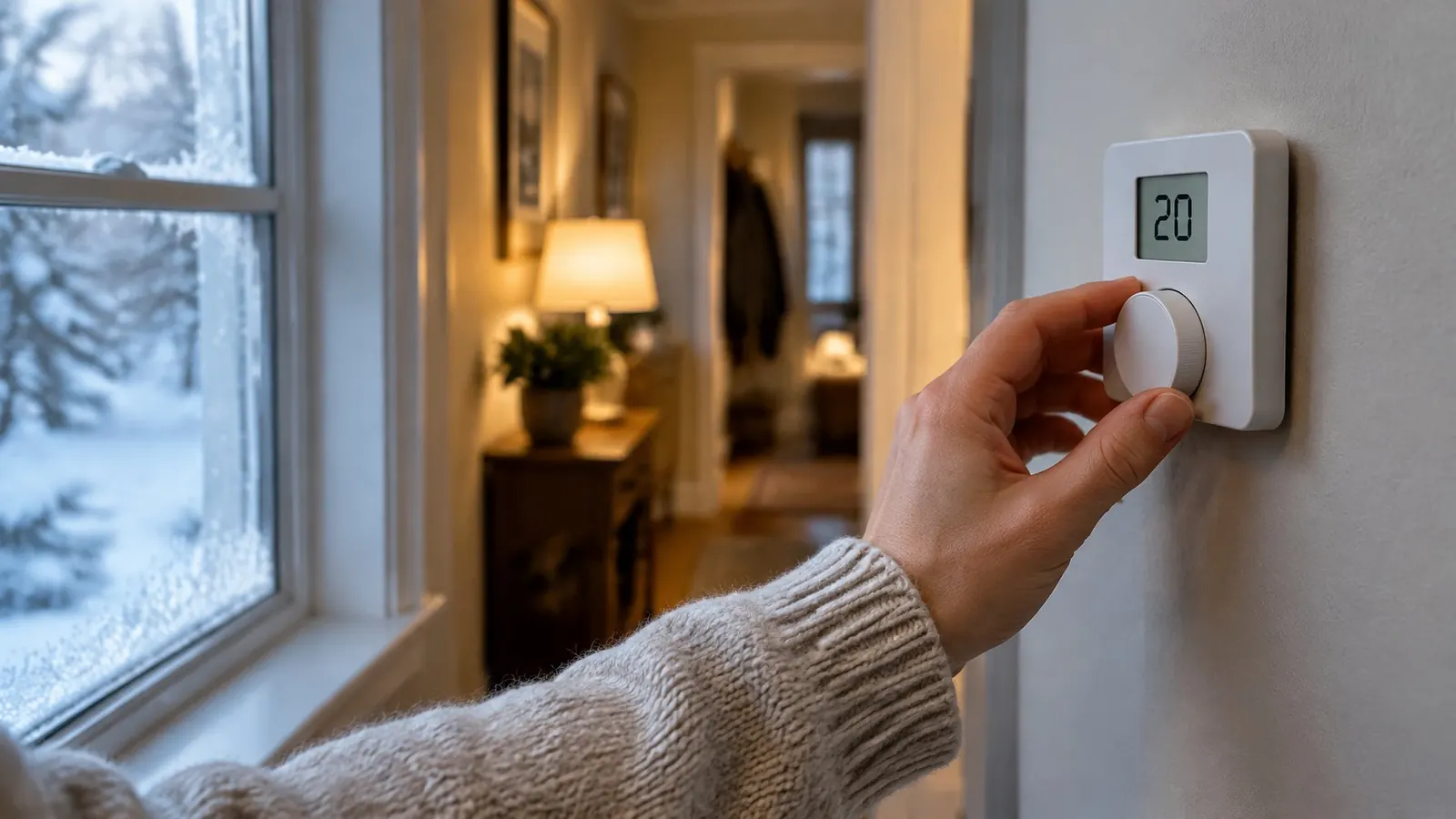
- Keep the thermostat steady overnight during the deepest cold rather than letting the house drop far and recover.
- Open interior doors so warm air reaches the rooms on outside walls.
- Watch the forecast from the National Weather Service office in Pocatello, which covers Idaho Falls.
If the furnace stops on a below-zero night
Work through the simple checks in the no-heat guide, then call. While you wait, close off unused rooms, keep cabinet doors under sinks on outside walls open, and don't use a gas oven or a grill to heat the house.
Cold house, warm house, or a system on its last legs?
Dial, mention your town and describe what the equipment is doing. An independent HVAC company that takes jobs around Idaho Falls picks up.